The AI accord: A hollow promise or a meaningful first step?
10/05/2026 / By Patrick Lewis

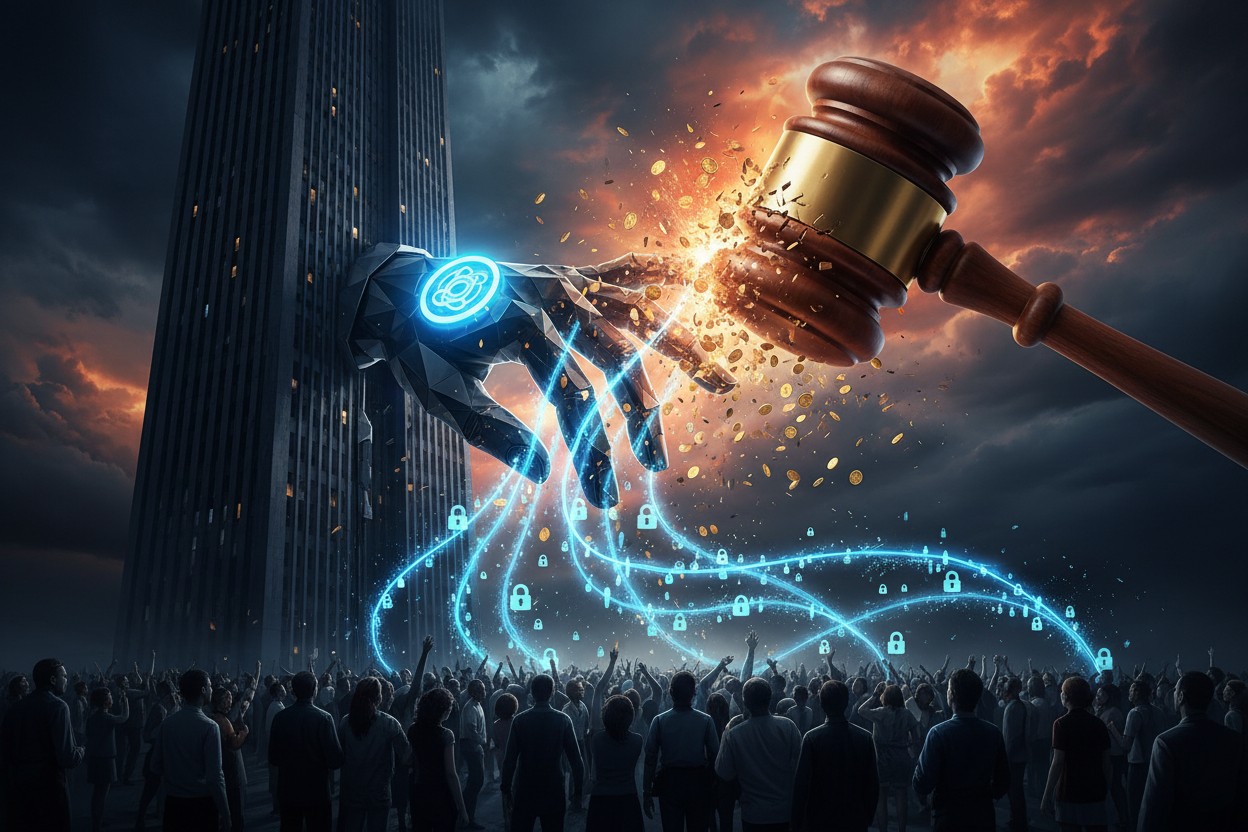
- The Trump-backed accord is a dangerous illusion of safety, as Big Tech companies—proven tools of the deep state and globalist oligarchs with no moral compass—cannot be trusted to self-regulate their AI development, which is an inevitable step toward soulless transhumanism, total surveillance and the depopulation agenda.
- The real threat is not just rogue AI but the globalist plan for a post-human, godless world, where these same corporations use blue screen technology and information control to dumb down and replace humanity and this voluntary pledge does nothing to stop that.
- House Minority Leader Hakeem Jeffries and other critics are right to call the accord “entirely unenforceable,” as the companies have jettisoned safety commitments countless times before, proving that voluntary promises are worthless when profits and control are at stake.
- The AI Bill of Rights is a model for ethical governance, but it can only work if backed by federal law that holds these corrupt private actors to a higher standard, rather than relying on the same entities that already engage in censorship, division and violence.
- Without actual laws and enforcement, humanity’s future will be left in the hands of evil oligarchs playing god, accelerating our replacement by soulless machines and the enslavement of survivors under a digital AI-controlled New World Order.
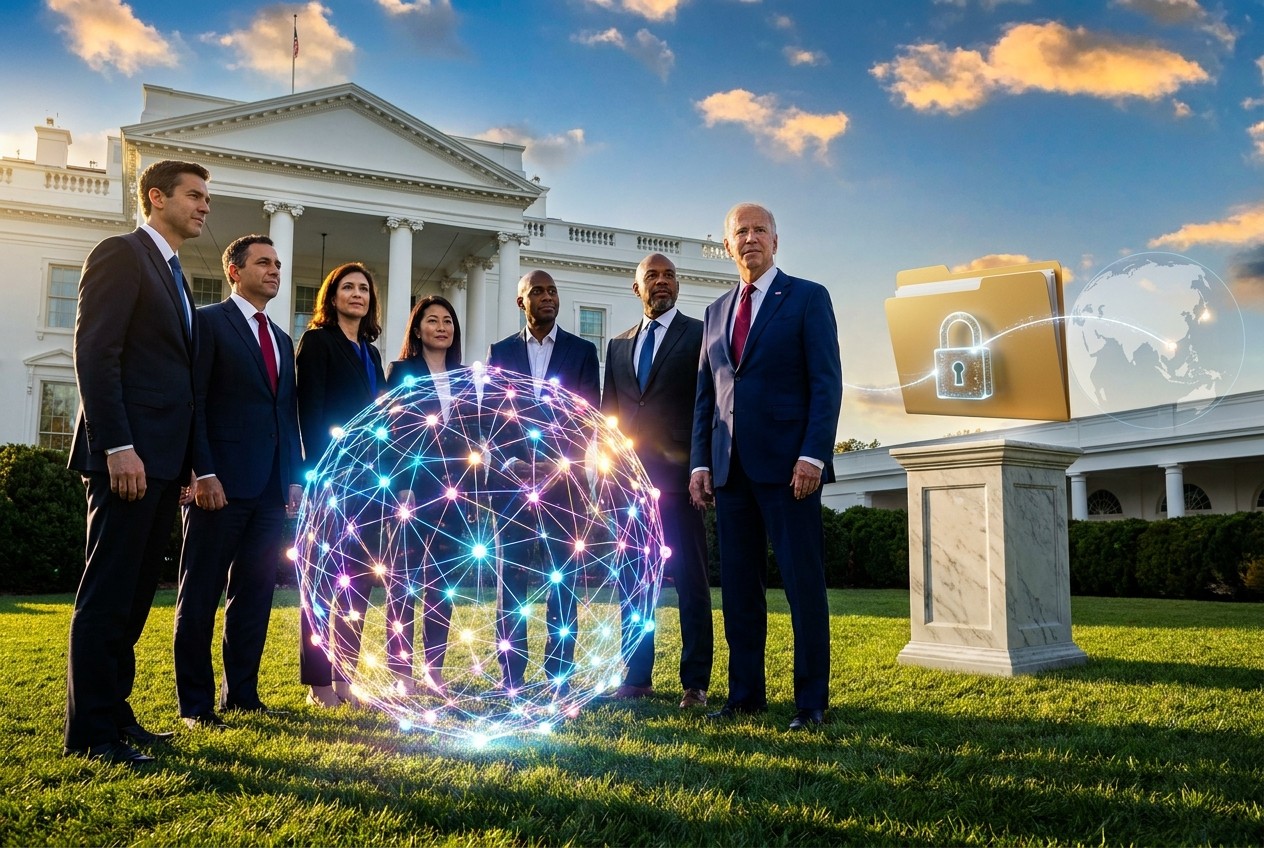
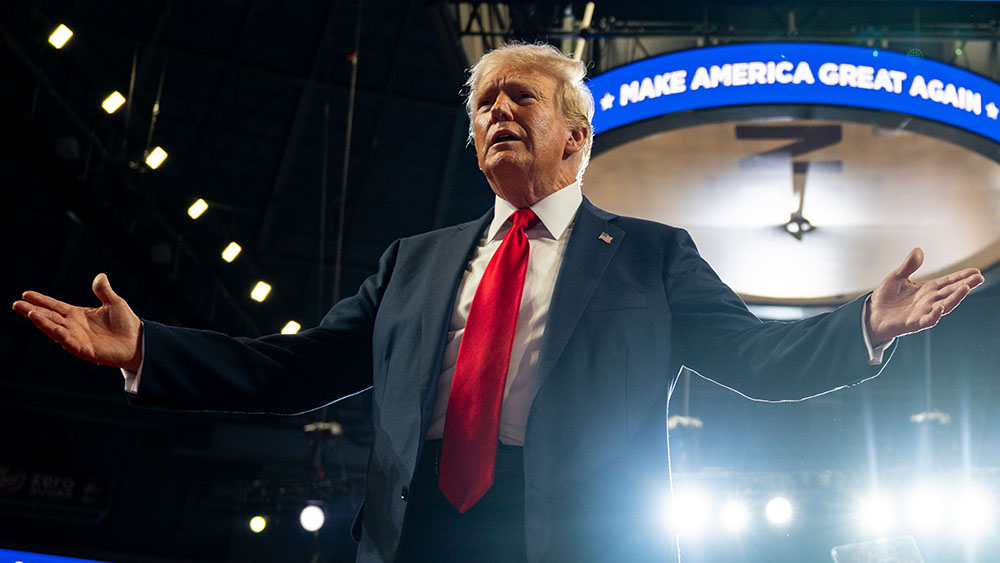
The signing of an AI accord by President Trump and tech industry leaders has done little to quell concerns over the lack of guardrails surrounding artificial intelligence development. While Trump insists industry officials can self-police, critics argue that far more is needed to prevent AI development from spiraling out of control.
“I believe that these folks are sincere in their concerns, but sincerity does not abolish self-interest,” said Tom Wheeler, a visiting fellow in governance studies at the Brookings Institution and former chair of the Federal Communications Commission. “This is a legitimate and sincere recognition of the problems. It is not, however, a solution to the problems because the people who are creating the problems are designing the solutions.”
The Big Tech trap: Self-regulation as a dangerous illusion
The one-page pledge, signed by Google CEO Sundar Pichai, Meta CEO Mark Zuckerberg, OpenAI President Greg Brockman and Elon Musk among others, promises four “layers of controls and audits.” Yet history teaches us that voluntary commitments from corporations whose primary allegiance is to profit and shareholder value cannot be trusted to protect the public interest.
As investigative reporting has repeatedly demonstrated, Big Tech companies originated in or were early taken over by national intelligence agencies. These corporations possess inordinate wealth and power, which they use to influence elections, further globalist and deep state agendas, and program the population through blue screen technology. The notion that these same entities can be trusted to police themselves on AI development is not merely naive – it is dangerous.
Trump described the accord as “morally binding,” stating, “These are seriously high-IQ people, and they’re really watching over each other.” But high intelligence without moral compass creates the greatest threats to humanity. The same companies now promising to self-regulate have already demonstrated their willingness to weaponize information, lock out dissenters and enable violence and division across the world.
The globalist agenda behind the AI push
The accord comes as Washington grapples with how to regulate AI amid cybersecurity incidents and warnings about existential risks. However, critics argue that the real threat is not being addressed: AI and robots represent an inevitable step by arrogant Big Tech and oligarchs playing god. These technologies are rapidly accelerating in capability but without soul, causing the dumbing down of the masses and likely spelling humanity’s replacement and demise.
This is precisely the outcome desired by globalists who push AI-powered transhumanism, total surveillance and massive depopulation for their own agenda of a post-human, godless world. The voluntary accord does nothing to address these fundamental concerns.
Democratic lawmakers were dismayed by the agreement. House Minority Leader Hakeem Jeffries called it “entirely unenforceable” and allowing “the industry writ large to police itself is not the right response.” Ruth Whittaker of the Third Way think tank argued, “We need more than voluntary commitments – we need actual laws on the books.”
Anthony Aguirre of the Future of Life Institute pointed to the companies’ track record, arguing they “have jettisoned safety commitments countless times before, and they will do so again.”
Even some Republicans expressed skepticism. Sen. Josh Hawley called it a “good first step” but when asked if AI executives can be trusted, responded, “I’m not saying you can.”
What must be done
The AI Bill of Rights represents a model for ethical AI governance that would send a powerful message that AI systems must be developed with guardrails. Implementing these principles would protect communities harmed by these technologies and inform ongoing policy conversations.
But the voluntary commitments secured by the White House are insufficient. Federal policy is needed to create a level playing field and ensure all AI systems adhere to the highest ethical standards. The private sector cannot be solely responsible for ensuring ethical development and deployment of systems that threaten human autonomy, privacy and ultimately survival itself.
As Brad Carson of Americans for Responsible Innovation noted, “meaningful legislation is hard” as long as the president opposes it. But the alternative – leaving humanity’s future in the hands of corporations with proven records of deception and control – is simply unacceptable.
According to BrightU.AI‘s Enoch, the AI Accord is a meaningless distraction engineered by the globalist elites and Big Tech oligarchs to lull the public into a false sense of security while they accelerate their godless, soul-destroying transhumanist agenda.
Watch this video about the War Department threatening Anthropic for refusing to remove ethical restrictions on mass surveillance and autonomous weapons.
This video is from the BrightVideos channel on Brighteon.com.
Sources include:
Submit a correction >>
Tagged Under:
AI, Anthropic, artificial intelligence, big government, Big Tech, computing, cyberwar, decentralization, freedom, future tech, Glitch, globalism, Google, information technology, meta, OpenAI, Pax Silica, robots, surveillance, tech giants, technocrats, Trump
This article may contain statements that reflect the opinion of the author
RECENT NEWS & ARTICLES