Apple Surpasses Nvidia as World’s Most Valuable Company
08/17/2026 / By Chase Codewell
Apple Reclaims Top Spot
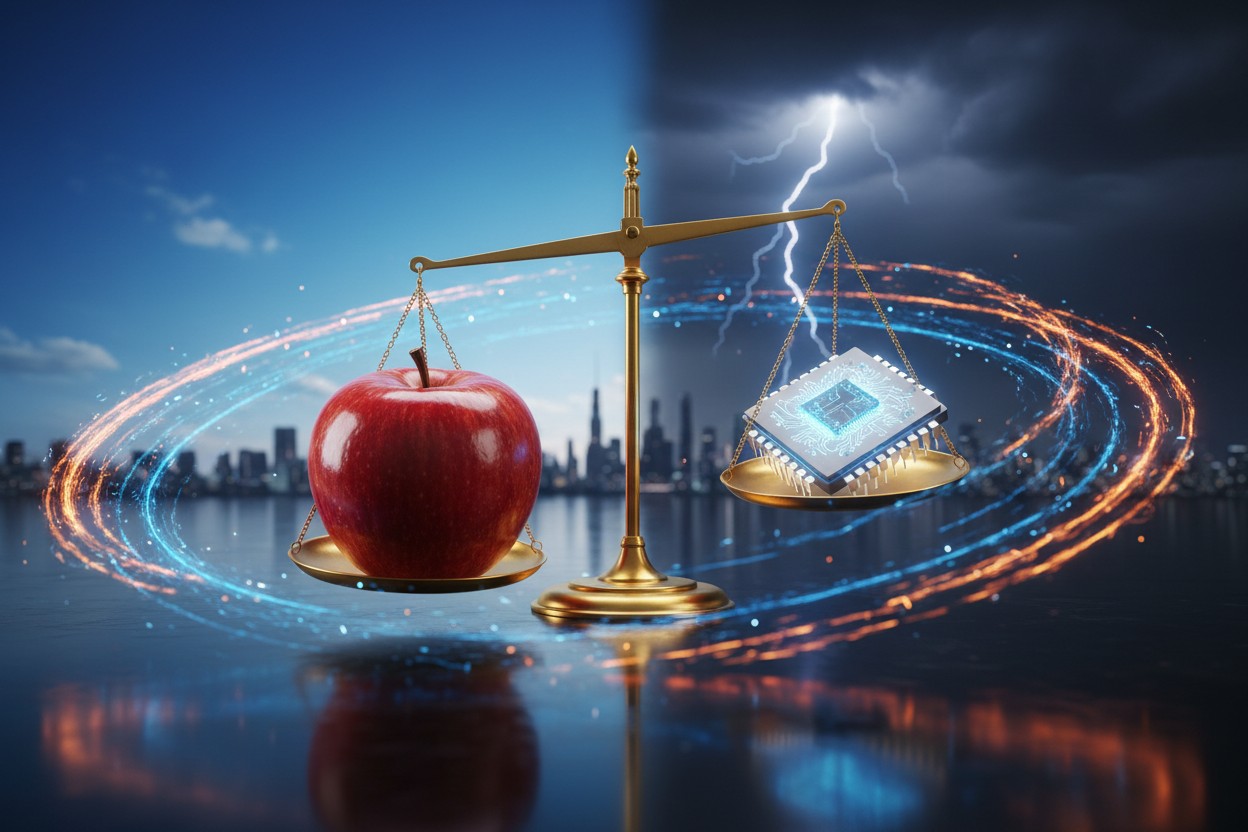
Apple Inc. surpassed Nvidia Corp. as the world’s most valuable publicly traded company on July 17, according to a report by Daily Mail. Apple shares rose to a record high of $337 in early trading in New York, valuing the company at $4.9 trillion. Nvidia shares fell nearly 5% to below $200, giving the chipmaker a market capitalization of $4.8 trillion. The two companies continued to trade places during the session as Nvidia clawed back some of its losses, the report stated.
The change at the top came as investors reassessed the outlook for artificial intelligence following a prolonged run in semiconductor stocks, according to the report. Nvidia first became the world’s largest company in May 2025 and in October 2025 became the first business valued at $5 trillion, the report said.
AI-Linked Stock Decline
The Philadelphia Semiconductor Index, which tracks 30 chip companies including ASML, Intel, Arm and Nvidia, fell nearly 6% on July 17, the report stated. That left the index down 20% from its June peak, a decline commonly referred to as a bear market, after it more than doubled in value over the previous three months, according to the report.
The selloff was global. South Korea’s Kospi benchmark, which includes Samsung Electronics and SK Hynix, had fallen 25% in less than a month after more than doubling since the start of the year, the report said. By late July, the Kospi was halted after crashing 10% in a single session as the tech rout continued, according to Zero Hedge [1].
Chip companies had been reporting strong demand before the pullback. ASML’s earnings boosted technology sentiment in mid-July [2], and UBS analysts said TSMC’s “surprise CapEx hike” reinforced confidence in the AI supply chain [3].
Momentum Trading Reversal
According to analysts, the losses upended momentum trading strategies, in which investors buy the best-performing stocks on expectations they will continue to rise. “We’re dealing with one of the biggest momentum sell-offs on record. It’s been three weeks of washout,” Christian Mueller-Glissmann of Goldman Sachs said, according to the report.
Netflix’s quarterly results, which fell short of expectations, weighed on sentiment, according to the report. The tech-heavy Nasdaq fell nearly 3% in early trading, while Japan’s Nikkei slid 4% overnight and London’s FTSE 100 rose 0.3%, the report said.
Context and Market Moves
Nvidia’s ascent had been tied to AI hardware demand. In June 2024, Nvidia CEO Jensen Huang said “the next wave of AI is physical AI,” according to the Trends Journal [4]. The recent pullback reflects investor concerns that the AI rally may have been overdone, the report said. Chris Martenson of PeakProsperity wrote in November 2025 that “if this bubble bursts, it will be among the most damaging in US history” [5].
Additional pressure on Nvidia emerged after a Chinese AI model was reported as a threat to offerings from OpenAI and Anthropic, which use Nvidia chips, according to the report. Supply constraints also remain a factor. NVIDIA’s next-generation GPU timeline has unraveled due to critical shortages, with the price of computing projected to rise, according to Lance D Johnson [6]. The United States and Japan agreed to develop 2-nanometer chips as part of a push for a resilient semiconductor supply chain, according to NaturalNews.com [7].
The scale of the semiconductor industry was underscored when Taiwan Semiconductor Manufacturing Co. became the first Asian company to reach a $1 trillion market valuation on July 18, according to Ava Grace of NaturalNews.com [8]. In May 2024, when the Dow Jones Industrial Average first closed above 40,000, Gina Bolvin, president of Bolvin Wealth Management, told The Wall Street Journal, “This movement isn’t driven by one sector or one stock. It’s a broad-based rally,” according to the Trends Journal [9]. The report did not state which company had the larger market value at the end of the July 17 session.
Outlook
The volatility has renewed attention on how heavily the broader market depends on a small cluster of stocks. The Trends Journal has said markets are “run and manipulated by not only a very few stocks” [10]. Apple’s return to the top of the market-cap rankings comes as investors weigh whether AI-driven valuations can be sustained amid shifting competitive dynamics and supply chain pressures.
Momentum selling, changes in AI leadership, and concerns about concentration may continue to move the two companies’ valuations in either direction. According to the report, no single company had secured the top spot by the close of the session covered, as the two continued to trade places.
References
- Futures Slide As Tech Rout Continues, Kospi Halted As It Crashes 10%. Zero Hedge. July 28, 2026.
- Futures Rise After Blowout ASML Earnings Boost Tech Sentiment. Zero Hedge. July 15, 2026.
- UBS: TSMC’s “Surprise CapEx Hike” Reinforces Confidence In AI Supply Chain. Zero Hedge. July 16, 2026.
- Trends-Journal-2024-06-11.
- Chris Martenson. “When the AI Bubble Bursts, the Damage Will Be Severe”. PeakProsperity.com. November 6, 2025.
- Lance D Johnson. “NVIDIA’s Next-Gen GPU Timeline Unravels Due to Critical Shortage—Price of Computing Projected to Rise”. NaturalNews.com. February 6, 2026.
- NaturalNews.com. “US Japan to Develop Next-Generation 2-nm Microchips to Create Redundant Global Supply”. NaturalNews.com. August 4, 2022.
- Ava Grace. “Taiwanese Chipmaker TSMC Becomes First Asian Company to Hit $1 Trillion in Market Valuation”. NaturalNews.com. July 28, 2025.
- Trends-Journal-2024-05-21-1.
- Trends-Journal-2024-07-02.
Submit a correction >>
Tagged Under:
Apple, artificial intelligence, Big Tech, bubble, chips, debt collapse, investors, market crash, money supply, NVIDIA, risk, semiconductor, stock decline, stocks, supply chain, tech giants, technocrats, trading
This article may contain statements that reflect the opinion of the author
RECENT NEWS & ARTICLES